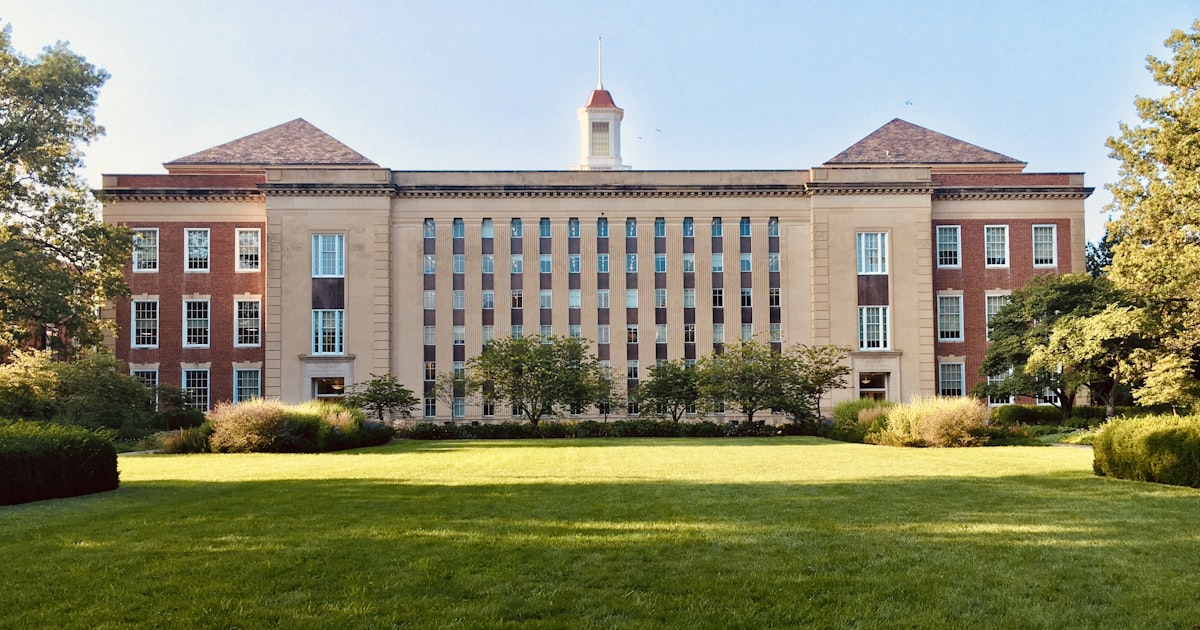
在美国寄宿学校短期项目里,Cushing Academy 一直是家长咨询频率非常高的一所学校。原因并不难理解:它既有新英格兰传统寄宿学校的学术底色,又在科技、艺术和个性化支持方面保持现代感。很多家长听过它的名字,却并不清楚它的假期项目适合什么样的孩子、课程强度到底如何、值不值得投入。
过去几年,我陪不少家庭评估过这类美国校园沉浸式项目。相比只看学校名气,我更关心的是:课程是否真实、寄宿管理是否成熟、孩子在这样的环境中能不能“长出来”。这篇文章会从顾问最关心的几个维度,把 Cushing Academy 学术强化营讲清楚。
学校历史与学术地位
Cushing Academy 位于马萨诸塞州,是美国历史较为悠久的寄宿学校之一。它所在的新英格兰地区本身就是美国私立中学教育的重要腹地,因此学校在学术氛围、校园传统和升学文化上,具有很典型的美式寄宿学校特征。对于中国家庭来说,这一点很重要,因为很多孩子参加短期项目,并不只是为了过一个充实的暑假,而是希望提前感受未来可能选择的教育环境。
从顾问视角看,Cushing Academy 的优势在于“均衡”。它不是那种只强调竞赛和高压学术的学校,也不是纯体验型夏校,而是在学术挑战、艺术表达、校园支持和国际学生包容度之间维持了不错的平衡。对于第一次体验美国寄宿学校的孩子,这种平衡通常比“过度精英化”的环境更友好。
课程设置与学术方向
Cushing Academy 的短期项目通常会围绕学术强化、英语表达、领导力、创意实践等方向来设计,重点不是让学生在几周内“学完一门课”,而是通过更高互动度的课堂,帮助学生建立在英文环境中学习与表达的习惯。很多课程会加入小组项目、展示、写作反馈和教师面谈,这比单纯听讲更能体现项目价值。
对于中国学生而言,最值得关注的是课程是否要求输出。我的经验是,只要一个项目要求学生做 presentation、写 reflection、完成小型研究或项目成果,孩子的成长就会更实在。因为他不能只做被动接受者,必须把理解转化为表达。Cushing Academy 在这方面通常做得较好,适合那些希望同时提升学术体验与口语自信的学生。
校园生活与住宿安排
寄宿体验是很多家庭选择 Cushing Academy 的关键原因。孩子住在校园宿舍里,按照固定节奏完成起居、课程、活动和晚间安排,这会让他们非常真实地感受到美国寄宿学校的生活方式。对于未来可能申请美高或对寄宿环境有好奇心的学生,这种体验比参访任何学校都更有说服力。
同时,家长要理解,寄宿生活的价值不仅是“住在学校里”,而是孩子要在日常小事上逐渐独立:自己管理时间、与室友沟通、遵守公共规则、处理情绪波动。很多家长事后会反馈,孩子在这里最大的成长并不是英语,而是成熟度提升。这也是我常说的,寄宿项目的隐性收益往往高于显性收益。
申请条件与流程
申请这类项目时,家长最容易忽略的是时间节点。优质美国夏校名额并不会无限开放,很多项目越接近春季越紧张。建议家庭至少提前 4-6 个月开始准备,包括基础信息、英文能力说明、学校成绩单、护照和签证计划等。对于部分课程,还需要回答动机问题或提交简短材料。
顾问在这里的作用,不只是帮忙填表,而是判断孩子该申请哪种课程层级、材料应如何呈现、是否需要在动机描述中突出某些优势。很多孩子并不是条件不够,而是申请表达不够清晰。把“为什么想去、适合什么课程、希望带回什么收获”讲明白,往往会显著提高匹配度。
费用与性价比分析
谈到费用,家长一定会问:Cushing Academy 值不值?我的判断标准是看它能否同时满足三个目标:真实校园环境、结构化课程体验、未来路径判断。如果一个项目只能提供漂亮校园照片,却无法让孩子真正进入课堂、进入宿舍、进入反馈系统,那么价格再低也未必划算。
Cushing Academy 的性价比来自它的“综合体验”。对计划未来申请美国寄宿学校或希望建立高质量国际经历的孩子来说,这类项目的价值不仅是短期体验,还包括帮助家庭更早做出判断:孩子喜欢怎样的课堂?是否适应寄宿?英文沟通真实表现如何?这些信息在后续升学规划中非常有用。
顾问亲历见闻
我印象很深的一位学生,出发前对自己很没有信心,担心课堂上听不懂、宿舍里交不到朋友。但项目结束后,他在复盘中说,最难忘的是老师真的会认真听他讲完观点,同学也愿意在活动中主动邀请他加入。这种“被看见”的体验,对很多中国学生非常重要,因为它会改变他们对海外校园的心理想象。
还有一点值得肯定的是,成熟学校项目在管理细节上通常更稳定。从接机、宿舍分配到家校沟通,越专业的团队越能减少家庭焦虑。家长最终购买的不只是课程,更是一套可靠的体验交付能力。Cushing Academy 若能匹配孩子年龄、英语和目标,通常是美国方向里很值得重点考虑的选择。
When families ask me which American boarding-school-based holiday program is worth understanding in depth, Cushing Academy is often one of the first names I mention. It is not simply because the school has a long history or an attractive New England campus. It is because Cushing offers something families care about deeply: a structured opportunity to experience American academic life in a serious but accessible way. For Chinese students who may later consider U.S. boarding schools, summer academic enrichment, or broader international education pathways, the program can function as both a learning experience and a real-world test of fit.
Over the years, I have learned that families do not need more generic praise about “prestigious schools.” What they need is clear, grounded judgment. Who is this program right for? What kind of student actually benefits? How demanding is the academic rhythm? What does residential life feel like? And how should parents think about value rather than just price? In this guide, I want to walk through Cushing Academy the same way I would in a serious advisory consultation—with attention to history, curriculum, campus life, admissions practicalities, and the kinds of misconceptions that can distort decision-making.
School History and Academic Standing
Cushing Academy is a respected independent boarding school in Massachusetts with a history that gives it credibility beyond marketing language. Like many established New England boarding schools, it has spent decades refining a campus culture that combines academic expectations, close supervision, extracurricular breadth, and a strong sense of community identity. For families evaluating short-term programs, this matters because the school environment is not being improvised for summer. Students are stepping into an institution that already knows how to run residential education, maintain routines, and shape student behavior through a coherent culture.
Its academic standing also matters in a more practical sense. A summer or holiday program connected to a school like Cushing allows students to experience the tone of an American preparatory environment before making much bigger commitments. Families sometimes underestimate how helpful this is. In a few weeks, a student can learn whether they feel energized by seminar-style discussion, project-based work, independent study expectations, and dormitory life on a large U.S. campus. That is far more informative than a brochure or even a short campus tour during a family trip.
Curriculum and Academic Direction
What attracts many families to Cushing is the balance between seriousness and manageability. The best boarding-school-based holiday programs are not designed to replicate an exhausting full academic year. Instead, they provide concentrated exposure to academic styles that are typical of the school culture: interactive classes, project work, teacher feedback, and a schedule that expects students to participate rather than sit passively. Depending on the session, students may encounter language enrichment, interdisciplinary exploration, leadership activities, or academic skill building that reflects how American secondary education asks students to think and communicate.
From an advising perspective, the key question is not whether the curriculum sounds impressive on paper. It is whether it allows the student to practice the kinds of habits international education actually demands. Does the child need to speak, present, ask questions, or work with peers? Do teachers provide feedback that helps the student understand both strengths and gaps? Is there enough structure that the student feels guided, but enough openness that they must think independently? A program like Cushing becomes valuable when it helps students experience these academic rhythms early, with support, rather than encountering them for the first time during a high-stakes later application.
Campus Life and Boarding Arrangements
For many Chinese families, campus life is where the program becomes real. It is one thing to say a child will “experience American boarding school life.” It is another to understand what that means day to day. Residential routines teach lessons that cannot be separated from academics: waking on time, moving across campus independently, living with roommates, managing personal belongings, following community expectations, and learning when to ask adults for help. In a well-run boarding environment, these routines are not burdensome details. They are part of the educational design.
Cushing's appeal lies partly in the fact that students are not studying in abstraction. They are living in a physical community with shared meals, dorm supervision, peer interaction, and a schedule that shapes self-management. For some students, this is their first chance to discover that they enjoy independence more than they expected. For others, it reveals where support is still needed—perhaps in organization, emotional regulation, or communication. Both outcomes are useful. A short-term residential program can help a family evaluate readiness without forcing a long-term commitment too early.
Application Requirements and Process
Parents often assume that short-term programs at established schools are either extremely difficult to access or so easy to enter that quality screening does not exist. In reality, the process usually sits somewhere in between. A program like Cushing's generally expects families to submit application materials on time, provide academic background information, explain the student's current English level, and respond to administrative requirements carefully. Stronger programs value fit. They do not necessarily demand elite scores for every student, but they do expect families to understand the program's structure and to send students who can engage with it responsibly.
In advising, I usually tell parents to treat even a summer application seriously. Prepare materials early, verify deadlines, and be honest about the student's language ability and boarding experience. Overselling a child's readiness rarely helps. It is much better to place a student into a well-matched environment than to win admission to a program that will overwhelm them. Families should also pay attention to medical forms, emergency contact procedures, and travel arrangements, because administrative precision is part of what makes the student's overseas experience safer and smoother.
Cost and Value-for-Money Analysis
Cushing Academy is not a low-cost option, and families should not pretend otherwise. But in international education, price alone is never the right metric. The better question is whether the program delivers value that matches the cost. When I help parents think about this, I break value into four parts: authentic campus immersion, academic intensity appropriate to the student's stage, strength of residential management, and usefulness for future planning. If a program performs strongly across those dimensions, the fee may be justified. If it is expensive yet shallow, the prestige label cannot rescue it.
For families considering future U.S. boarding school applications, the value can be especially strong because the program reduces uncertainty. Instead of guessing whether the child can adapt to an American residential campus, the family gains direct evidence. Even for students who do not plan to apply to Cushing later, the experience can clarify whether the broader American boarding model feels motivating or mismatched. That kind of information has real strategic value. Good decisions later are often built on well-chosen short experiences now.
First-Hand Advisor Observations
What I have seen in students who fit Cushing well is not just academic enthusiasm, but a certain willingness to engage with structure. These are often children who are ready to be challenged but still benefit from guidance. They may not be perfect speakers or naturally extroverted, yet they are willing to try, to follow routines, and to respond when adults expect something of them. In the right environment, that willingness leads to fast growth.
I have also seen families make smarter long-term choices after a short-term boarding school experience here. Sometimes the result is positive confirmation: the child thrives, loves campus life, and becomes more motivated about a U.S. pathway. Sometimes the result is equally valuable but different: the family realizes that a full boarding model may be too early, too intense, or simply not the best cultural fit right now. As an advisor, I consider both outcomes successful, because clarity is one of the most useful things a short-term international program can provide.
真正好的寄宿学校短期项目,不会让孩子只记住“校园很美”,而是让他第一次意识到:我可以在这样的课堂和社区里生活、学习并成长。 A truly strong short-term boarding school program should leave a child with more than the memory of a beautiful campus. It should be the first moment they realize they can genuinely live, learn, and grow inside a community like this. Precol.ai 留学成长顾问团队 / Precol.ai Study Abroad Advisor Team
Common Misconceptions
There are three common misconceptions families have about Cushing Academy:
- 误区一:名校项目一定只适合“学霸”。实际上,很多学校更看重学生的参与意愿、成熟度和开放性,而不是单一分数标签。
- Misconception 2: Short-term programs have no lasting value. On the contrary, they help families verify — at low risk — whether a student is ready for a US boarding school environment.
- Misconception 3: Any program at a famous school is worth joining. Course content, peer group composition, and support quality typically shape the experience more directly than the school's reputation alone.
Summary and Next Steps
如果你的目标是让孩子在一个相对成熟、真实、学术氛围明确的美国校园里完成首次深度体验,Cushing Academy 确实是非常值得研究的项目。它的价值不在于“挂名”,而在于它能让孩子真正进入寄宿学校的学习与生活节奏。
The recommended next step is to put school prestige second and evaluate your child's readiness first. Use Precol.ai's AI matching tool to quickly assess program fit, or browse our curated program pages to see if there are other combinations that align better with your child's goals.
Common Misconceptions
When parents hear the name of a respected U.S. boarding school, three misconceptions tend to appear quickly:
- Misconception 1: If the school is prestigious, the child is automatically a fit. Prestige and fit are different questions. A student's maturity, language readiness, and response to structure matter just as much as the school name.
- Misconception 2: A short-term program at a boarding school is only useful for families who plan to apply there later. In reality, it can benefit any family that wants to assess a child's comfort with U.S. academic culture and residential independence.
- Misconception 3: The most expensive program is the most educationally valuable. Value depends on what the child experiences and learns, not on brand aura alone. Authentic immersion and strong support matter more than price by itself.
Summary and Suggested Next Steps
Cushing Academy is worth serious attention because it offers more than a branded summer experience. For the right student, it provides a realistic introduction to American boarding-school academics, residential routines, and community expectations. That makes it useful not only as a holiday learning opportunity, but also as a diagnostic step for future educational planning.
If your child is curious about U.S. boarding schools, ready for more independence, and able to function in English with support, Cushing may be a valuable option to explore. The most effective next step is not to ask whether the school is famous enough, but whether the program aligns with your child's current stage and your family's broader strategy. That is exactly the kind of matching decision Precol.ai is designed to support.